Creating conditions to thrive: Trauma-informed practices for dance education
Rebecca Gose is Professor of Dance at the University of Georgia, US with a professional performance background whose expertise lies in dance education. She explores aspects of the dance learning environment through scientific and somatic perspectives including motor learning and wellness. She is also an active choreographer and certified yoga and mindfulness teacher.
Reader notice: This article discusses trauma, its impacts in the dance education context, and strategies for creating trauma-aware spaces for dancing and dance learning.
Context and Rationale
Although the dance studio is a place for learning movement, refining technique, and preparing for performances, as teachers and students, we bring our full selves and the context of our lives into the classroom each day. In recent years, growing awareness of adolescent and young adult mental health concerns, including trauma and adverse childhood experiences (ACEs), has encouraged many researchers and educators within the dance community to think more deeply about how these experiences influence learning and participation.
Dance educators and their students often observe that meaningful engagement in class depends on capacities such as focus, memory, readiness to learn, and the ability to connect and collaborate with others.1-2 Students may recognize moments when these capacities feel readily available and others when they are more difficult to access. For some individuals, the effects of trauma can make learning, social engagement, or self-regulation especially challenging. In any given class, however, a student may exhibit a diverse range of behaviors and/or emotions for any number of reasons, which may or may not include trauma. It is helpful to remember that as teachers we must remain within our scope of expertise while striving to be inclusive and adaptable in our pedagogy to help all learners succeed. As Schwartz and colleagues note, “dance is a somewhat unique form of physical movement, in that dancers must connect to their bodies and acknowledge their movements in complex ways. It brings up emotions and triggers, sometimes ones the dancer is not ready to confront.”3(p339) By continuing to learn from both research and lived experience, dancers and educators can work to cultivate trauma-sensitive environments where students feel safe, supported, and able to learn, grow, and thrive.
Research Summary
My interest in trauma-informed practices grew out of my lived experiences as a dance educator with a growing curiosity about how the needs and experiences of individuals affected by trauma were being recognized and addressed within dance education. I explored the literature and research about trauma and its related concepts including arousal and attention, shame and anxiety, concepts of moral and cultural safety and mindfulness, as well as existing trauma-informed practices in dance and education. This illuminated connections between trauma, learning and dancing.4-7 These findings can serve as starting points for reflection and conversation among teachers and students seeking to better understand the relationship between trauma and dance.
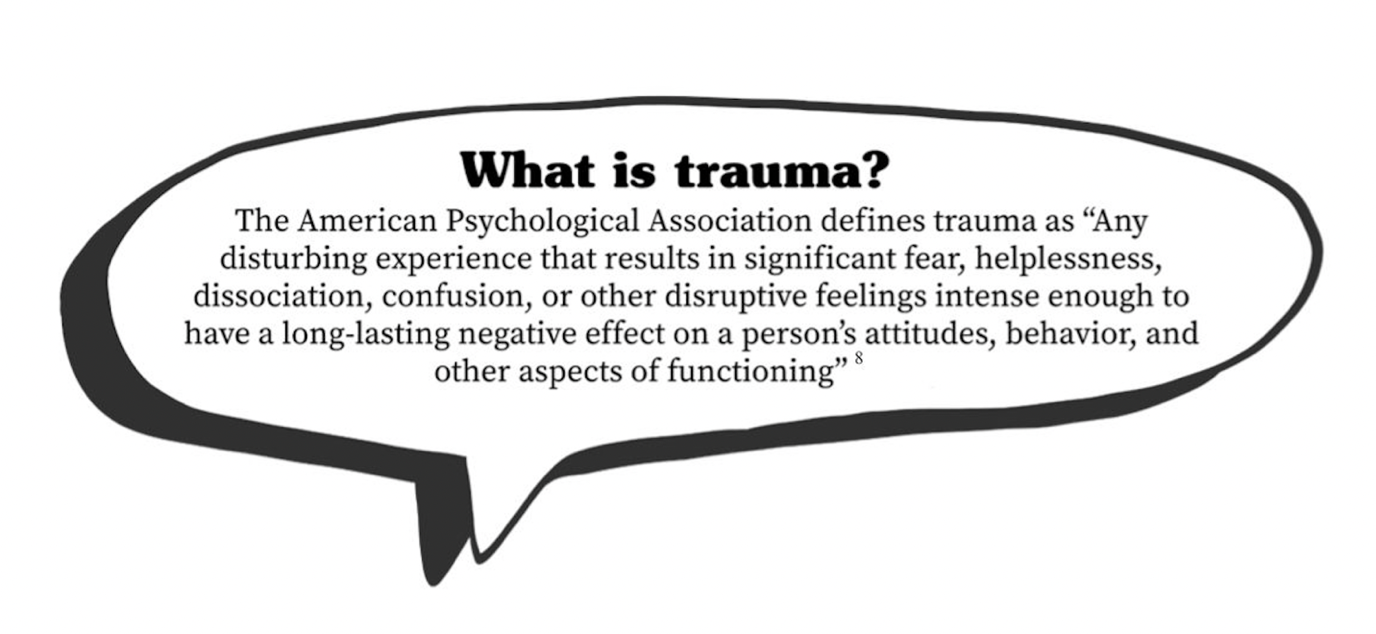
Trauma is complex and can take many forms. It may be acute or chronic, simple or complex, individual or collective in nature. Experiences such as natural disasters, abuse, war, discrimination, community violence, serious illness, or injury can all contribute to trauma. Research has shown that childhood trauma is a significant risk factor for many of the leading causes of illness, mortality, and reduced quality of life in adulthood,9 and more than two-thirds of children report experiencing at least one potentially traumatic event by the age of sixteen years.10
Although each person’s experience relative to trauma and its effects is unique, several themes consistently emerge across the trauma literature.
Some Common Characteristics of Trauma
- Trauma is subjective. Exposure to a difficult event alone does not determine whether trauma occurs; the individual’s experience and response matter.
- Trauma can have lasting effects. Its impact may be felt long after an event has occurred and can influence one’s experiences across the lifespan.
- Trauma can influence cognition, emotion, and physical well-being. These effects may vary considerably from person to person.
- Trauma is embodied. Trauma can create physiological symptoms such as chronic muscular tension, nervous system dysregulation, and gut-brain miscommunication.
- Trauma can affect learning. Attention, memory, concentration, and readiness to learn may, at times, be more difficult to access.
- Trauma is associated with increased vulnerability to risk-taking behaviours. These include substance abuse and other health-related risks.
- Our understanding of trauma continues to evolve. Researchers increasingly recognize the importance of cultural context and the need to better understand how trauma is experienced across diverse communities and identities.
Application of Research Findings to Practice for Dancers and Dance Educators
From what researchers currently understand about trauma11 and the three main areas discussed in the original study on which this article is based, some practical takeaways for dance teachers and students to consider are suggested below, beginning with the foundational concept of arousal.
Arousal in the Dance Class
As most teachers have likely observed, arousal is a central player in the dance class; it refers to an individual’s emotional and physical regulation in response to a stimulus, and affects the individual’s attention, motivation, and more. It is also a foundational factor in those who have experienced trauma, affecting those same abilities around focus, alertness, engagement in activities, and also a student’s sense of safety. The windows of tolerance model,12 as depicted in Figure 1, is a helpful way to consider the different levels of arousal that teachers may see and that students may experience: hypoarousal, hyperarousal, and a middle level where an individual is optimally regulated. Although everyone’s arousal state fluctuates, difficulty maintaining a regulated state is more common for those affected by trauma.
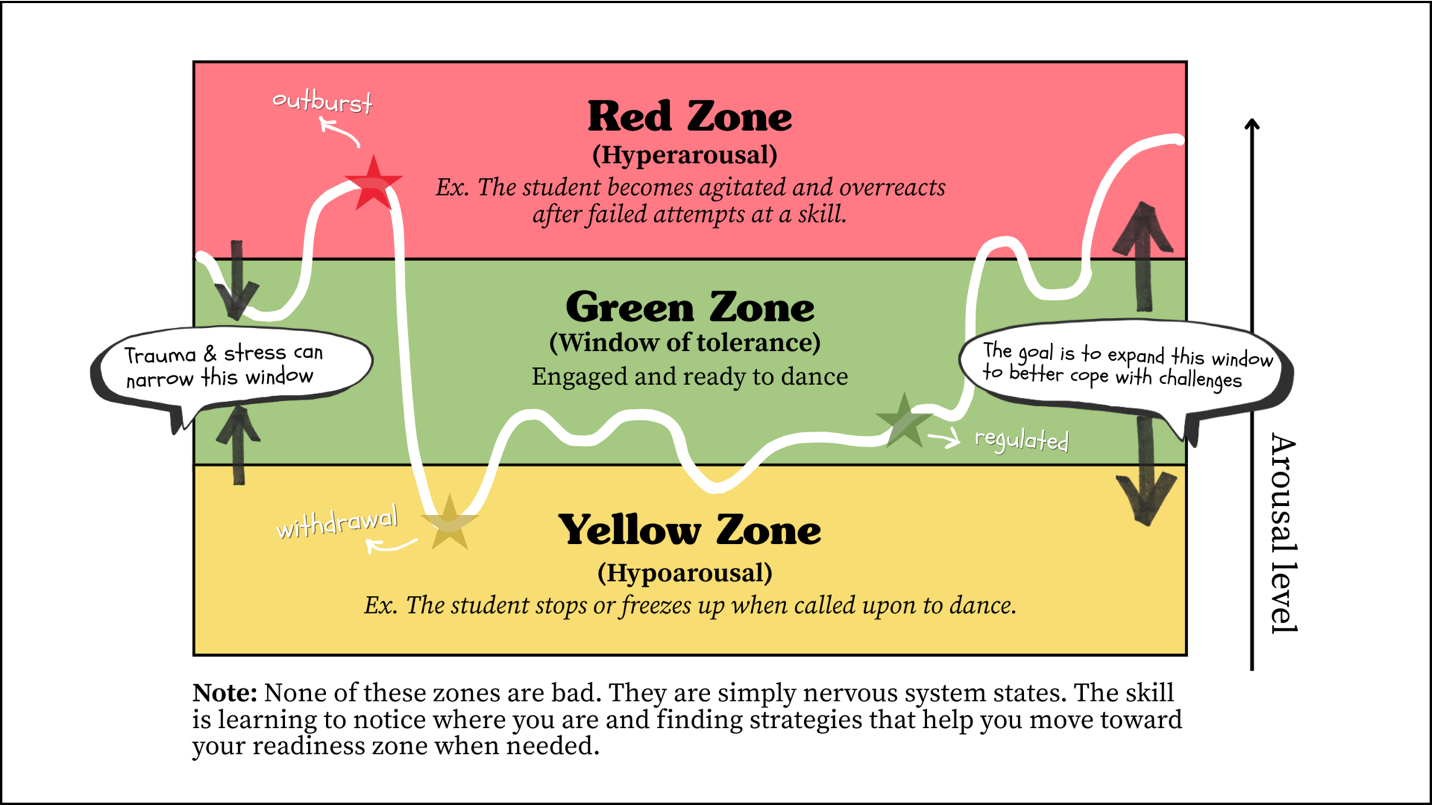
Figure 1: Window of Tolerance Model. (Adapted from Siegel, 1999)12
Students may often perceive dancing as having an emotionally and/or physically regulating effect. However, they might also feel that it further dysregulates them if they already feel a bit above their window. And if a student is feeling below their window, engaging physically or simply staying present and concentrating might be particularly challenging. However, tools and strategies can have a positive impact on these challenges, such as orienting to time and space, connecting to and specific ways of harnessing our breath, and using muscle activation (see Figure 2 Strategies for Regulating). Although as teachers we cannot directly change a student’s level of arousal, one question worth considering is how the dance environment can support students when they need opportunities for self-regulation or different ways to engage.
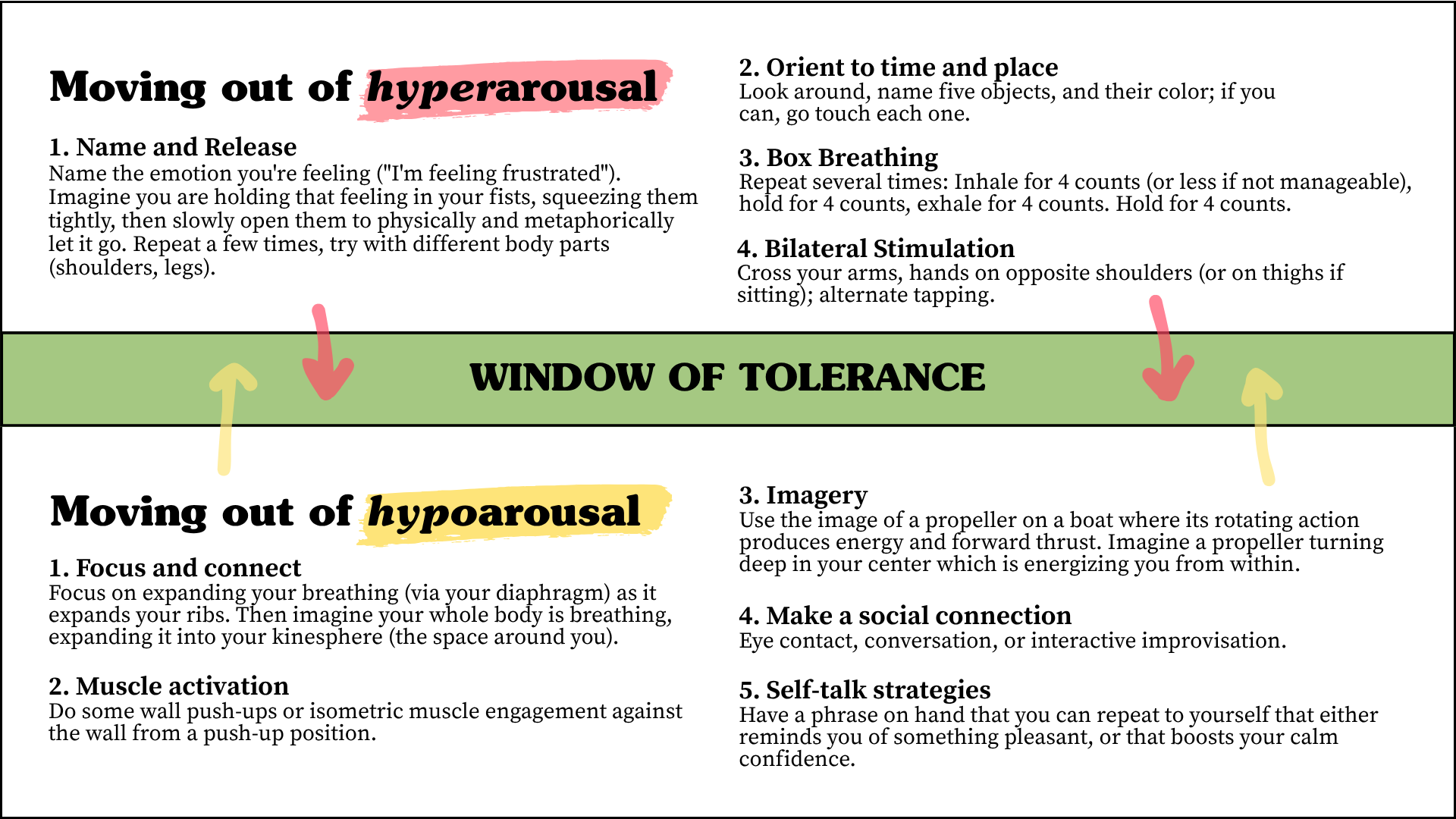
Figure 2: Strategies for Regulating
Focusing Attention for Better Regulation
The dance class often invites various forms of attention, as in Figure 3, including internal focus (bodily sensations, movement patterns), external focus (other dancers, the floor, surrounding space, and the music) and dynamic interactive focus (focusing specifically on dynamic, interactive relationships between internal and external stimuli such as the feet and the floor or dancers to one another). For some individuals affected by trauma, these different forms of attention may be experienced in unique ways. Teachers and students alike may notice that while attending to bodily sensations can be helpful and grounding for some, it can feel uncomfortable or overwhelming for others or in other contexts. In these moments, shifting attention outward — to the music, imagery, spatial relationships, or connections with others — may offer another avenue for engagement and regulation.
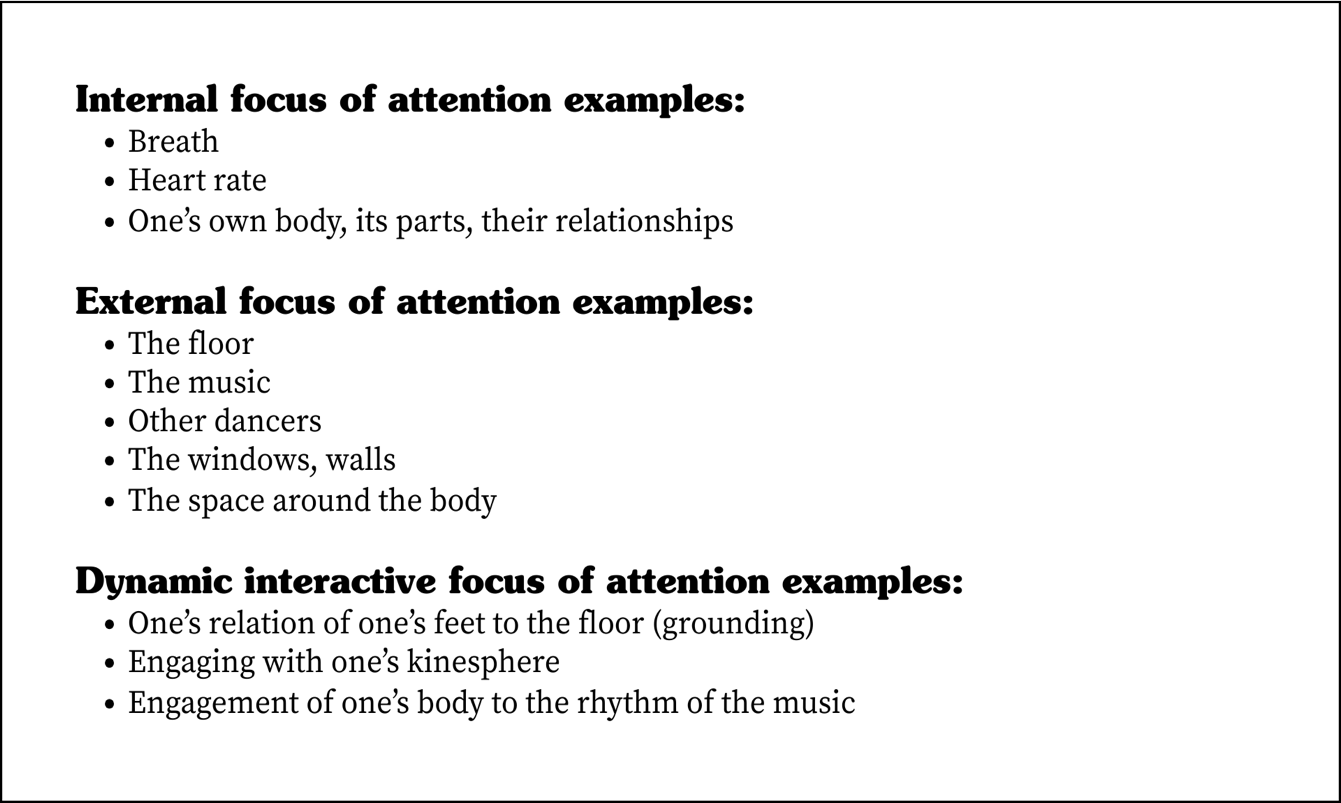
Figure 3: Types of Focus of Attention
Applying Mindfulness
Mindfulness is one approach that many educators have explored as a way of supporting attention, awareness, and self-regulation. Research suggests mindfulness practices may contribute to greater resilience, self-awareness, and well-being for some individuals, including dancers.13-14 Within dance settings, teachers often apply mindfulness in many ways, including activities that encourage present-moment awareness, curiosity rather than judgment, acceptance of experience, and non-attachment.15
Many teachers may also find that incorporating moments of mindfulness into class can help normalize self-regulation as a regular part of the learning process rather than as something that occurs only when difficulties arise. Dancers, in turn, may begin to recognize patterns in their own attention, energy, and responses, developing greater awareness of what helps them feel focused, engaged, or grounded in class. Meditation is one form of mindfulness, often involving focused, non-judgmental attention on an anchor such as the breath. Other approaches might include slowing down movement or daily actions to notice internal sensations, external cues, and patterns of attention with greater awareness and curiosity. They might also create routines or rituals around practices of gratitude or non-attachment.
For some individuals, these practices may support a stronger connection to the present moment and provide opportunities to notice and respond to their experiences more intentionally. For teachers, students, and dancers of all levels, mindfulness can offer a shared language for talking about attention, presence, and self-regulation within the dance environment. The practical ideas detailed in Figure 4 offer examples of how mindfulness principles might be incorporated throughout different phases of a dance class. Rather than a prescribed set of strategies, they are intended as possibilities that teachers may adapt to their students, context, and teaching philosophy, and that students may explore to discover what best supports their own learning and well-being.
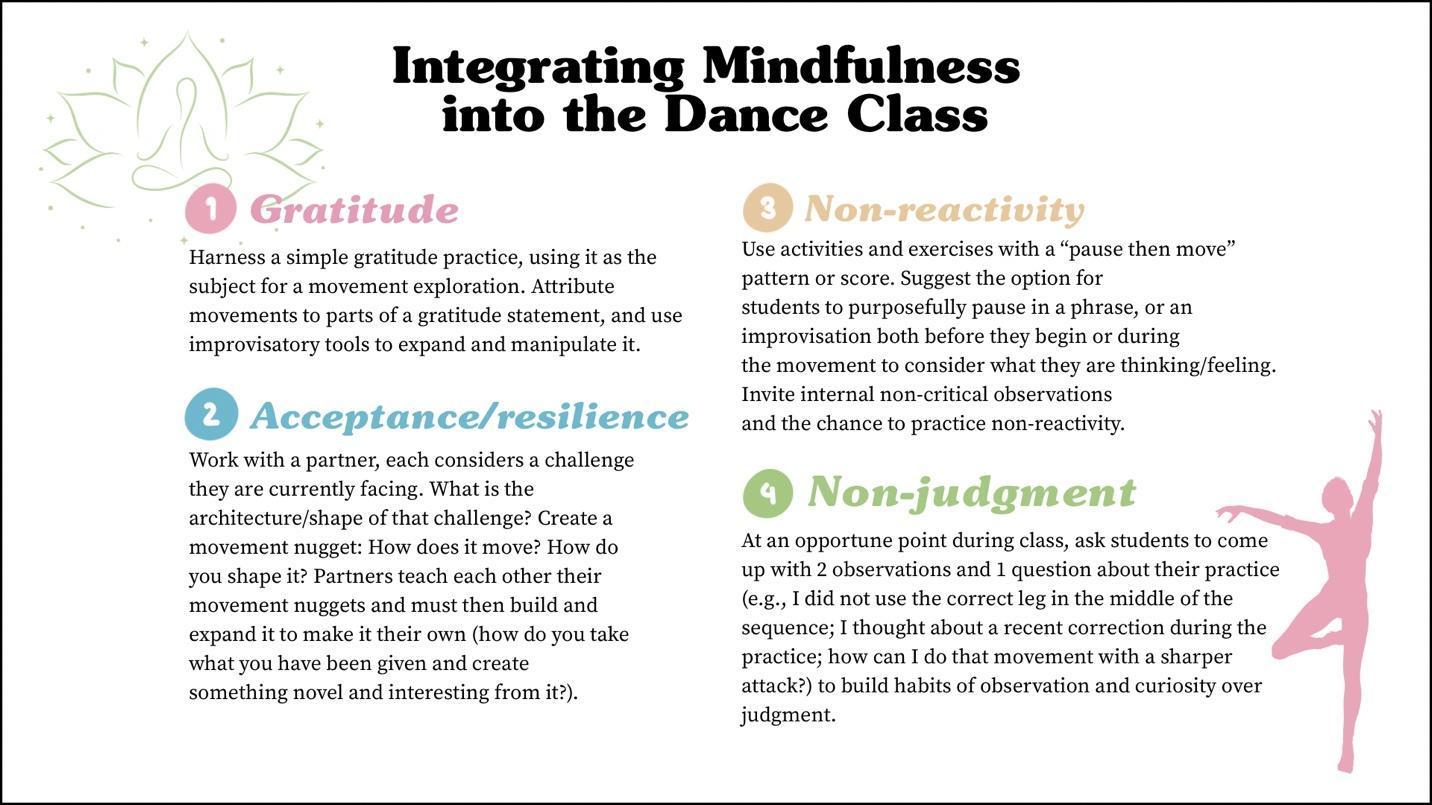
Figure 4: Integrating Mindfulness
Shame-Resilient Pedagogy
Shame is an emotion that manifests as feelings of failure, inadequacy, being exposed, or weakness, and can worsen social anxiety. It is closely linked to trauma, in that the distress and threat generated by a traumatic experience can become directed inward, leading people to view themselves as flawed, damaged, or unworthy, rather than simply understanding the traumatic event as something that happened to them.16 Studies have shown that ACEs (adverse childhood experiences) are associated with shame-based self-beliefs as well as anxiety symptoms, resulting in lifelong struggles with negative assessments of self-worth.17 Although the reasons are not clearly understood, studies have shown that dancers have a higher rate of PTSD than the general population and higher levels of shame than other athletes.18 Thus, strategies that focus on self-esteem, resilience, belonging, and the idea that students have agency for change in helping mitigate the effects of shame may be appropriate. Reflecting on the following research-based reflective prompts and classroom ideas may further support teacher practices:
| A Teacher Framework for Reflecting on Shame Resilience in the Dance Class | |
|---|---|
| 1 | Reflect: How might you incorporate self-talk practices during the dance class that are aimed at positively reframing any unwanted current self-beliefs? |
| Try: Ask students to reframe an unwanted thought or dialogue, by changing or replacing that thought with a neutral or more positive one. This can be done alone or in partners - it may be most helpful for them to write down the unwanted beliefs and then edit them, so they can visually track the editing process. | |
| 2 | Reflect: Consider both the challenges and opportunities to integrate empathy and social connection, which have been shown to help with experiences of shame, into the dance class. |
| Try: Utilize creative ways to make social connection integral to the class format, such as regular short pair and shares, setting up “teams” or “tribes” that work together and carry out frequent check ins with one another, or creating a “dance buddy” system, so everyone has a peer to connect with throughout the term. | |
| 3 | Reflect: Consider how the use of imagery and metaphors might help nurture and reinforce positive experiences and identities. |
| Try: Ask students to develop an enduring image of a positive experience they’ve had or a metaphor that represents a positive concept, so that they can refer to it over time. Examples could include creating a mental “snapshot” of a moment of success, pride, or accomplishment, or other positive feeling from personal experience. Title it and use it as a touchstone memory to return to regularly. Conjure up and regularly refer to a specific image/metaphor from nature such as a bamboo tree, which is flexible and rarely breaks (signifying resilience); a sunflower, a plant that always follows the light as it grows (signifying always turning toward positivity); a rainforest, where each creature and plant serves a valuable and unique purpose and contributes to the health of the whole (signifying uniqueness and interdependence). | |
| 4 | Reflect: Give thought to coping strategies, their relation to learning, and how they might be relevant for the dance learning environment. |
| Try: Consider creative coping strategies such as renaming/reframing an experience, suggesting students use a curiosity journal, where they rephrase and reframe self-judgmental thinking into descriptions of curiosity and mindfulness about situations they encounter. | |
| 5 | Reflect: How do you weave a culture of self-compassion into the learning process and class structure? |
| Try: Explore how your teacher “script” or narrative during class can include examples for how a student might think or self-talk about their efforts in class. For example, you might say, “As you work on this new material, you may try to give yourself some grace, saying to yourself: ‘I can do hard things!’, or ‘This may take some effort to get there, but I can already feel progress on this material.’” | |
| 6 | Reflect: Consider how your students respond to leadership opportunities in your classes. |
| Try: In group and partnered activities, focus on fostering connection and competence, and trade leaders often with micro-leadership opportunities as well as larger leadership roles. | |
And, for dancers, the following reflective prompts can help you focus on positive skills with opportunities for building empowering habits:
| Reflections for Dancers on Shame Resilience | |
|---|---|
| 1. |
Focusing on Self-Esteem: I am worthy; I am enough.
|
| 2. |
Focusing on Self-Compassion: I am kind to myself.
|
| 3. |
Focusing on Belonging: I feel connected.
|
| 4. |
Focusing on Body Appreciation: I am respectful of my unique body.
|
| 5. |
Focusing on Resilience: I am capable of growing through challenges.
|
Viewing Trauma Within a Larger Frame
In recent years, many dance educators have expanded conversations about wellness beyond physical health alone. While dance wellness research has historically focused on physical dimensions of training and injury prevention, there is growing recognition that well-being is shaped by multiple, interconnected factors.18
Teachers and students alike may recognize that our experiences do not exist in a vacuum. The ways we move through the world are influenced by our identities, relationships, communities, opportunities, and challenges. These broader social contexts can shape how we experience learning, belonging, stress, and well-being. As educators continue to explore wellness through a more holistic lens, trauma has become an important part of the conversation.
Looking at trauma as a dimension of wellness, and considering wellness within the context of equity and inclusion, can offer a broader understanding of the experiences that students bring into the dance class (see Figure 5 below). It invites teachers to remember that learners arrive with different histories, strengths, stressors, and resources.
This broader framework encourages an appreciation for how personal experiences interact with larger social systems and environments. From this perspective, trauma-informed practices become one way of supporting learning, participation, and well-being within a more inclusive dance community.
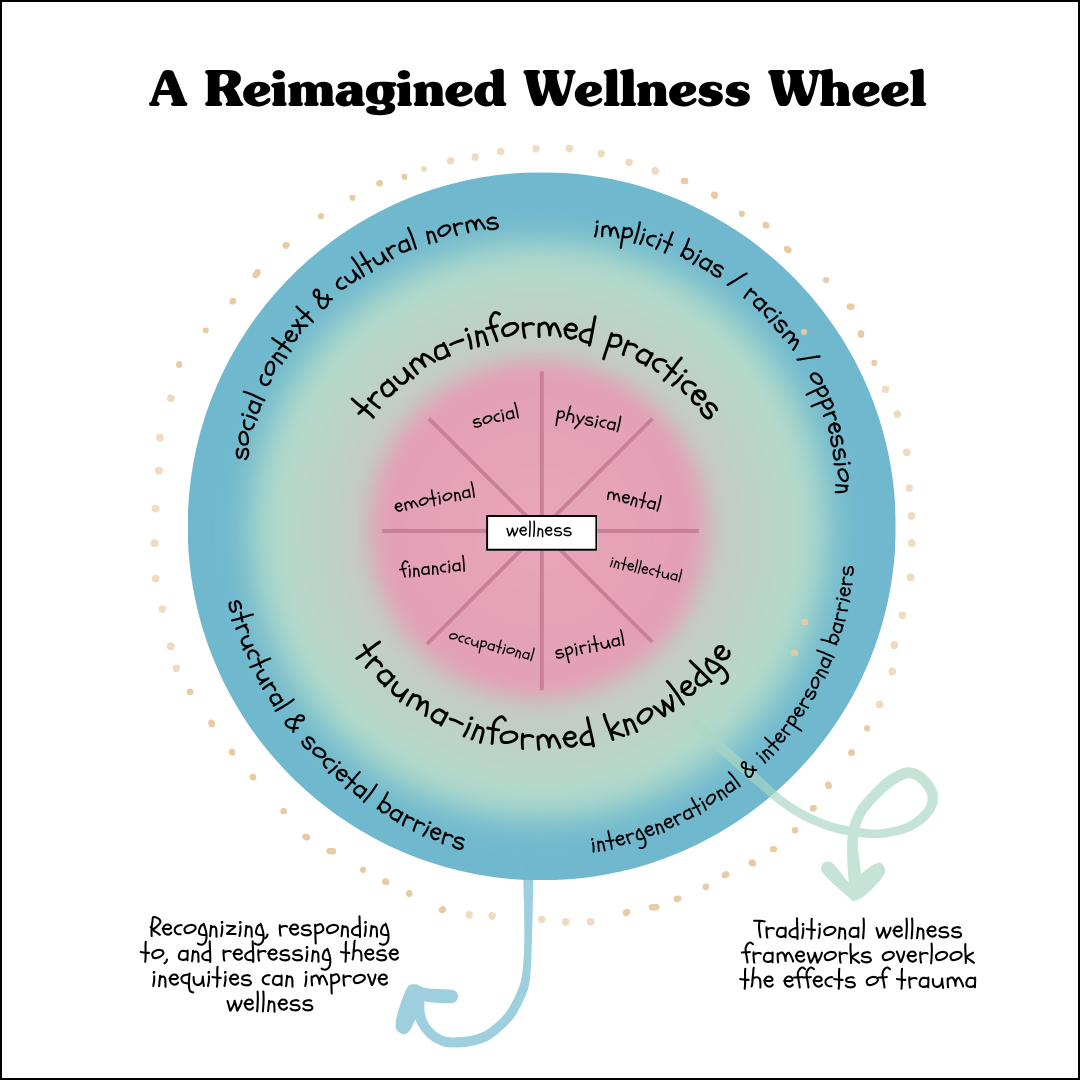
Figure 5: A Reimagined Wellness Wheel
In considering this reimagined wellness wheel model, reflecting on these prompts can help us as teachers focus our thinking and our actions. Use the space here to record your thoughts:
| Reflections for Teachers |
|---|
| How might social context influence a situation or dynamic I encounter? |
| How might I be acting on beliefs, values, or assumptions that are unrelated to this moment? |
| Where do I need to increase my competence around social context? |
| How am I recognizing and responding to issues of inequity in my own practice, my pedagogy, and my community? |
For students applying this model, the following questions can elicit ways to approach your dance class, your thinking, and your actions. Use the space here to record your thoughts:
| Reflections for Students and Dancers |
|---|
| How might social context be shaping my experience of this moment? |
| What assumptions might I be making about myself or others, in a given situation? |
| What helps me feel respected, valued, and safe enough to learn, take risks, or make mistakes? |
| Are there parts of my identity or experience that influence how I interpret what happens during class? |
| How might my actions, words, or responses affect the sense of belonging and safety of others in this space? |
Tools and Resources
Additional suggestions for a trauma-sensitive or trauma-informed classroom, detailed in Figure 6, address critical aspects of a student’s lived experience and potential stressors, such as hypervigilance and arousal, the need for consistency and routine, safety, and consent.
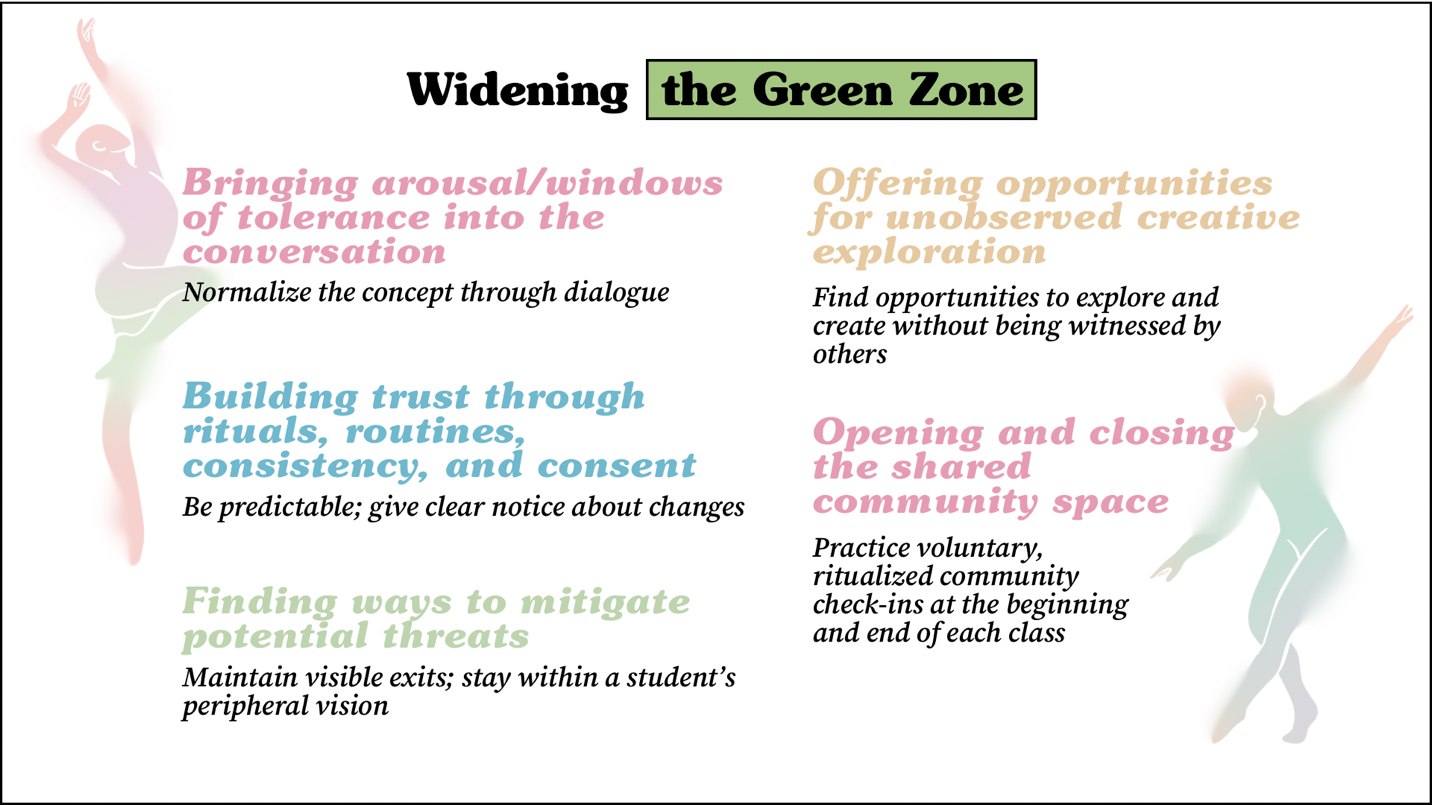
Figure 6: Widening the Green Zone
As teachers, we cannot ensure that any practice we employ will result in regulating our students. However, we can work to create optimal environmental and interpersonal conditions and settings that can help to facilitate improved regulation. Toward this effort, it may be helpful to reflect on some of the specifics of our own practices:
Reflections and Invitations
We invite you to reflect on your own trauma-sensitive pedagogy, using the following prompts to stimulate thinking and further dialogue:
- How much agency do I provide students in the dance class?
- How clear are my goals and objectives?
- How do I communicate a realistic optimism about my students’ ability to achieve their goals?
- How often do I check in with students?
- How do I foster empowerment with my students?
- In what ways am I consciously building trust and reliability with my students?
- How am I using curiosity and inquiry to check my own assumptions and implicit biases when observing and communicating with students?
Conclusion
Teachers see that dancers bring themselves along with their past and present, their challenges and their assets into the dance class each day. Equipped with knowledge about how trauma shows up and their willingness to expand classroom culture and norms, teachers are helping students to stay more regulated and feel safer in the dance class so that they can have a more enjoyable and successful learning experience. Although while not qualified to serve as therapists or counselors in any way, dance teachers are in a uniquely valuable and important position to offer a positive, safe, self-esteem building learning environment for all young dancers, including those who have experienced trauma.
Original Article
Gose R. Dancing within windows of tolerance: Considerations for a trauma-informed pedagogy for dance education. J Dance Educ. 2025;25(4):402-412. https://doi.org/10.1080/15290824.2024.2403765
Further Reading
Thomson P, Jaque SV. Risk and protective factors in dancers exposed to trauma. J Dance Med Sci. 2025;29(2):98-105. https://doi.org/10.1177/1089313X241273880
This study looked at both risk factors as well as protective factors in 292 pre-professional/professional dancers with (or without) PTSD (post-traumatic stress disorder) and with (or without) trauma exposure. In this descriptive study, researchers found that 66% of the participants had been exposed to a traumatic event, and of that subgroup 32% had a diagnosis of PTSD. Dancers exposed to trauma and who also had PTSD had significantly more challenges with emotional regulation, engaged in more emotion-oriented coping under stress (self-focused emotional responses to stress), had increased depression, trait anxiety, and cumulative trauma. Despite the differences of trauma exposure or PTSD diagnosis, no differences were evidenced in the dancers’ ability or tendency to engage in flow (a state of optimal focus, arousal and challenge). Thomson & Jacques’ study also acknowledges what has been asserted elsewhere; that the dance environment is potentially a place of stress and even trauma. However, it can also be a place where flow-like experiences are promoted, which, in turn, can potentially mitigate effects of trauma. Recommendations, in addition to building more awareness of trauma, included that dancers may need to learn stress management, increase their tolerance of negative emotions, and employ task-oriented coping strategies, or ways to directly address problems/challenges, along with social support and nurturing a sense of belonging.
References
- Borowski TG. How dance promotes the development of social and emotional competence. Arts Education Policy Review. 2023;124(3), 157–170. https://doi.org/10.1080/10632913.2021.1961109
- Krasnow D, Wilmerding V. Motor Learning and Control in Dance. Human Kinetics; 2015.
- Schwartz TA, Page AD. Dance and the violated body: Trauma-informed frameworks for dance in non-clinical settings. J Dance Educ. 2024;24(4):330-340. https://doi.org/10.1080/15290824.2023.2183503
- Treleaven DA. Trauma-Sensitive Mindfulness. W.W. Norton & Company; 2018.
- Jennings PA. The Trauma-Sensitive Classroom: Building Resilience with Compassionate Teaching. W.W. Norton; 2019.
- Gose R, Abraham A. Looking beyond the binary: An extended paradigm for focus of attention in human motor performance. Exp Brain Res. 2021;239(6):1687–1699. https://doi.org/10.1007/s00221-021-06126-4
- Quin E, Rafferty S, Tomlinson C. Safe Dance Practice. Human Kinetics; 2015.
- American Psychological Association. Trauma. American Psychological Association. Accessed September 8, 2026. https://www.apa.org/topics/trauma
- Felitti VJ, RF Anda. The relationship of adverse childhood experiences to adult medical disease, psychiatric disorders and sexual behavior: implications for healthcare. In: Lanius RA, Vermetten E, Pain C, eds: The Impact of Early Life Trauma on Health and Disease: The Hidden Epidemic. Cambridge University Press 2010:77-87.
- Substance Abuse and Mental Health Services Administration. Child trauma. SAMHSA. Last updated March 27, 2026. Accessed July 12, 2026. https://www.samhsa.gov/mental-health/trauma-violence/child-trauma
- Substance Abuse and Mental Health Services Administration. SAMHSA’s Concept of Trauma and Guidance for a Trauma-Informed Approach. HHS Publication No. (SMA) 14-4884. Rockville, MD: Substance Abuse and Mental Health Services Administration; 2014. Accessed August 25, 2026. hhs.gov.
- Siegel DJ. The Developing Mind: Toward a Neurobiology of Interpersonal Experience. Guilford Press; 1999.
- Blevins P, Moyle G, Erskine S, Hopper L. Mindfulness, recovery-stress balance, and well-being among university dance students. Res Dance Educ. 2021;23(1):142–155. https://doi.org/10.1080/14647893.2021.1980528
- Brown KW, Ryan RM. The benefits of being present: Mindfulness and its role in psychological well-being. J Pers Soc Psychol. 2003;84(4):822-848. https://doi.org/10.1037/0022-3514.84.4.822
- Massarelli L, Petsilas P. The way out is in (Thich Nhat Hanh): Cultivating awareness through meditation for dancers. The IADMS Bulletin for Dancers & Teachers 2026; 10(1). Retrieved from https://bulletin.iadms.org/index.php/iadms/article/view/1282
- López-Castro T, Saraiya T, Zumberg-Smith K, Dambreville N. Association between shame and posttraumatic stress disorder: A meta-analysis. J Trauma Stress. 2019;32(4):484-495. https://doi.org/10.1002/jts.22411
- Thomson P, Jacque SV. Shame and anxiety: The mediating role of childhood adversity in dancers. J Dance Med Sci. 2018;22(2):100-08. https://doi.org/10.12678/1089-313X.22.2.100
- Wilmerding V, Krasnow D. Dancer Wellness. Human Kinetics, Inc; 2017.
Acknowledgements
Graphics: Audrey Enghauser